Sweet Hamster Days: A Quiet Revolution in Video Games
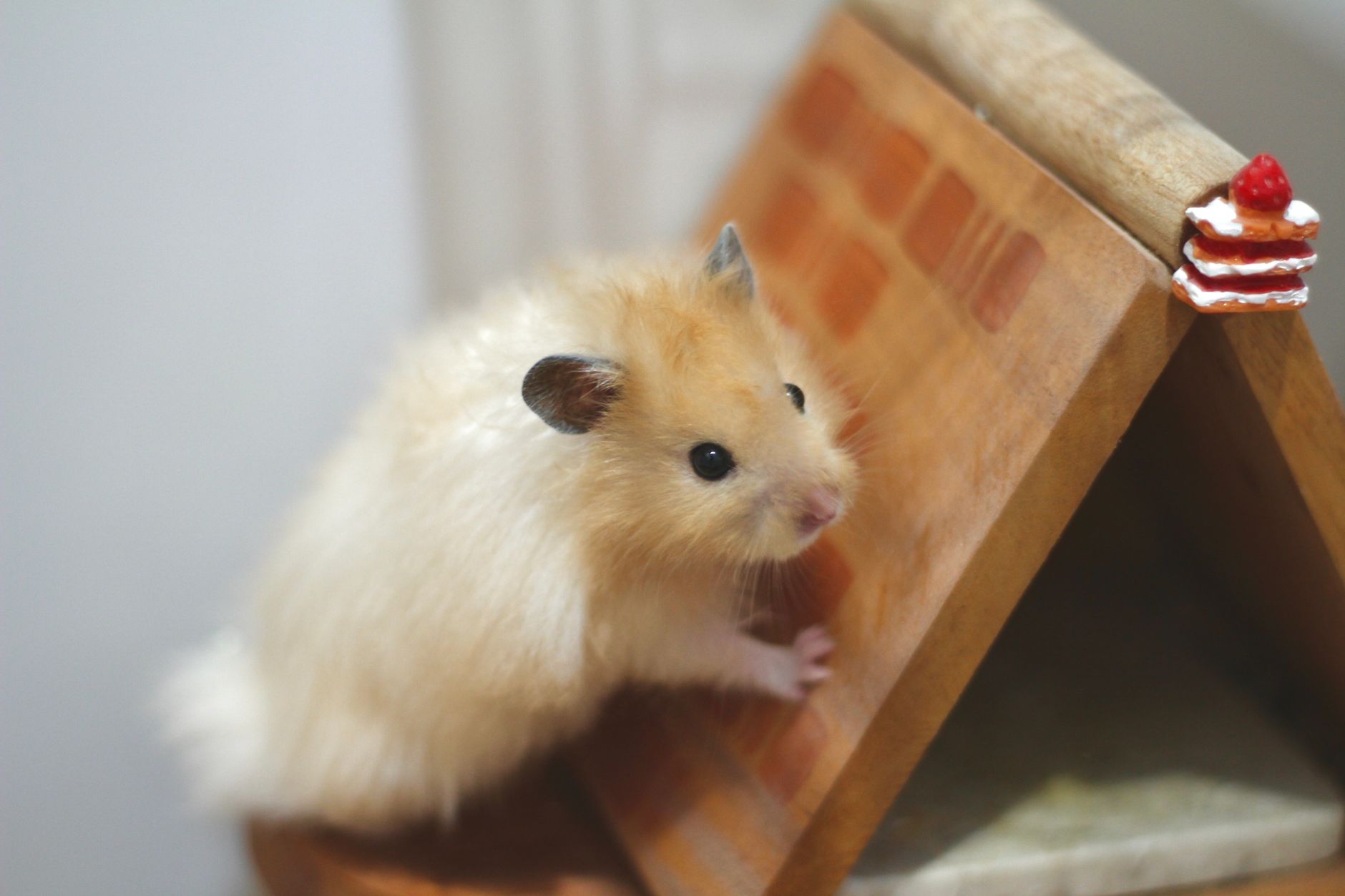
There’s something quietly magical about games that don’t ask you to save the world or rack up kills. Instead, they hand you a tiny creature and say, “Here. Be loved.” That’s the premise behind Sweet Hamster Days, a live-action FMV title where you play as a hamster being pampered by three doting Japanese sisters.
It sounds like a fever dream cooked up during a late-night anime binge, but the game’s origins are rooted in something far more grounded — and surprisingly relatable.
Its creator, a former animal mascot performer, spent years inside bulky costumes at theme parks and events, waving to crowds while sweating through layers of fur and foam. The job wasn’t glamorous, but it offered a strange kind of intimacy: strangers would approach, not to interact with the person inside, but to shower the character with affection. Kids would hug the mascot. Adults would snap photos, cooing over how cute it was. Over time, the performer began to wonder — what if the roles were reversed? What if you were the one being adored, not for what you did, but simply for existing?
That question became the seed of Sweet Hamster Days. Instead of controlling a hero on a quest, you’re a small, furry creature nestled in a sunlit room, watched over by three sisters who talk to you, feed you treats, and rearrange your tiny bedding with exaggerated care. The game unfolds through real video footage, shot in a cozy Japanese apartment, with the sisters speaking directly to the camera as if you’re really there. There are no fail states, no timers, no puzzles to solve. Just quiet moments: a sister humming while she cleans your cage, another offering a sunflower seed with a smile, the third peeking in to make sure you’re warm enough.
The tone is gentle, almost meditative. It’s not trying to thrill you — it’s trying to make you feel safe. And that’s where the unexpected influence of Grand Theft Auto 5 comes in. Yes, that GTA 5. The creator has admitted in interviews that Rockstar’s open-world epic helped shape the game’s approach to immersion, not through its chaos, but through its attention to mundane detail. In GTA 5, you can watch TV shows, listen to full radio stations, or just sit on a bench and watch the sunset. The world feels alive because it doesn’t revolve around the player’s aggression — it exists independently, humming along whether you’re causing chaos or not.
Sweet Hamster Days borrows that philosophy. The sisters have their own rhythms. They might be studying, chatting on the phone, or arguing lightly over who forgot to buy more bedding. You’re not the center of their universe — you’re a small, cherished part of it. The game’s power lies in this asymmetry. You don’t drive the narrative; you inhabit it. Your role is to receive care, not to earn it. For anyone who’s ever felt exhausted by the constant demand to perform, to achieve, to prove worth, there’s a deep comfort in being allowed to just… be.
Of course, the game isn’t without its quirks. The acting is deliberately theatrical, the dialogue simple and repetitive, the scenarios whimsical to the point of absurdity. One scene has the eldest sister attempting to teach you “hamster yoga” by gently rolling a towel near your nest. Another shows the youngest trying to build a maze out of toilet paper rolls, giggling when you ignore it completely. These moments aren’t meant to be taken seriously. They’re invitations to suspend disbelief and lean into the warmth of the moment.
What makes Sweet Hamster Days compelling isn’t its novelty as an FMV game — though it does stand out in a genre often associated with campy horror or low-budget detective stories. It’s the sincerity behind it. The creator has said that performing as a mascot taught him how powerful small gestures of kindness can be, even when they’re directed at a costume rather than a person. That insight carries through every frame. The game doesn’t mock the idea of being doted on — it treats it as something tender and valid.
In a gaming landscape saturated with competition, conquest, and constant stimulation, Sweet Hamster Days offers something rare: permission to be passive, to be cared for, to exist in a soft, quiet space without justification. It’s not for everyone. Some will find it boring, others strange. But for those who’ve ever longed for a moment of unburdened affection — the kind that asks nothing in return — it might just feel like a hug you didn’t know you needed.
And if that sounds silly? Well, maybe it is. But sometimes, the sillier the idea, the more honest it feels.