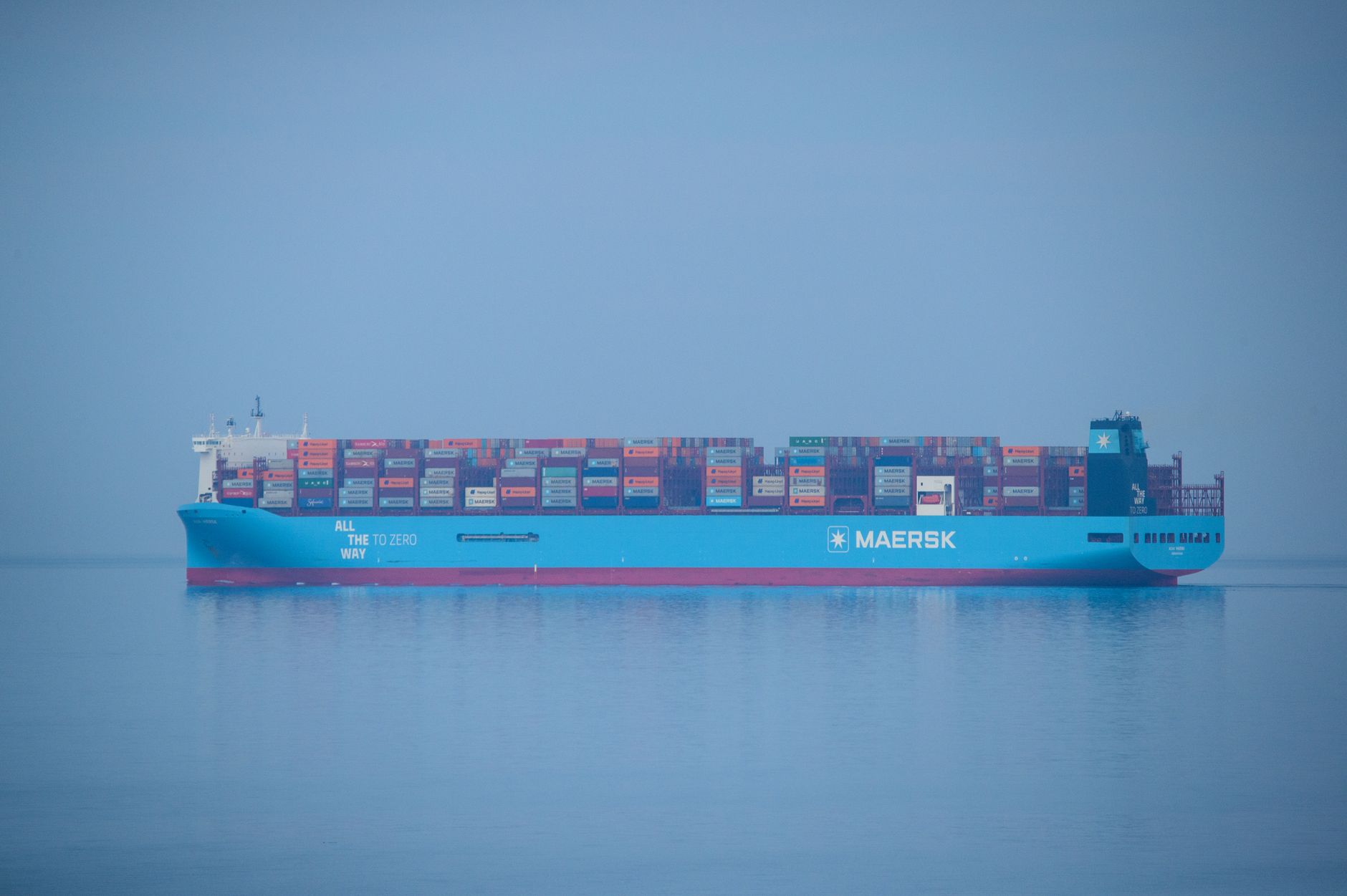
Maersk Expands Its E-Commerce Reach with ShippyPro Partnership
In the fast-moving world of global trade, logistics giants are increasingly looking beyond ports and containers to meet the evolving needs of online retailers. Maersk, long known for its dominance in ocean shipping, is taking a deliberate step deeper into the e-commerce value chain. The company recently announced a partnership with ShippyPro, a logistics technology platform focused on simplifying shipping for online businesses. This collaboration signals Maersk’s intent to offer more integrated, end-to-end solutions for merchants navigating the complexities of cross-border and last-mile delivery.
At its core, the partnership aims to connect Maersk’s global transportation network with ShippyPro’s multi-carrier shipping software. For e-commerce sellers, this means access to a unified interface where they can compare rates, print labels, track shipments, and manage returns across multiple carriers — including Maersk’s own services. Rather than juggling separate systems for domestic and international logistics, merchants could potentially handle everything from a single dashboard. The integration is designed to reduce friction, especially for small and mid-sized businesses that lack the resources to build complex supply chain infrastructures on their own.
ShippyPro brings more than just label printing to the table. Its platform supports over 180 carriers worldwide and includes features like automated customs documentation, real-time tracking updates, and analytics tools that help merchants optimize shipping costs and delivery times. By linking this technology to Maersk’s air, ocean, and inland transportation capabilities, the partnership creates a bridge between the digital storefront and the physical movement of goods. This is particularly valuable for brands selling internationally, where customs clearance, duty calculations, and regional carrier selection can become significant bottlenecks.
From Maersk’s perspective, the move aligns with a broader strategy to expand beyond traditional freight forwarding into higher-value logistics services. Over the past few years, the company has invested in digital platforms, acquired logistics tech startups, and launched Maersk Flow — its end-to-end supply chain visibility tool. Partnering with ShippyPro allows Maersk to tap into a growing base of e-commerce merchants who may not need full container loads but still require reliable, scalable shipping solutions. It also positions the company to compete more directly with integrated logistics providers like Shopify Logistics, Amazon’s Supply Chain, and Flexport, all of which are targeting the same merchant segment with technology-driven offerings.
The timing of this partnership reflects shifting dynamics in global e-commerce. While pandemic-era boom periods have cooled, online retail remains a durable and growing channel, if competitive, force. Consumers continue to expect fast, transparent, and affordable delivery — expectations that put pressure on merchants to optimize every step of the fulfillment process. For businesses shipping across borders, the ability to consolidate carrier options, automate compliance steps, and gain visibility into transit times isn’t just convenient; it’s becoming a competitive necessity. Maersk’s integration with ShippyPro aims to address these pain points by offering a more cohesive experience than what many merchants currently piece together through disparate tools.
It’s worth noting that this isn’t Maersk’s first foray into e-commerce-focused logistics. The company has previously worked with platforms like Shopify and WooCommerce to offer shipping rates directly within storefronts. However, the ShippyPro collaboration appears to be more comprehensive, emphasizing not just rate display but end-to-end workflow automation. This suggests a maturation of Maersk’s approach — moving from incremental integrations toward a more holistic service model tailored to the operational realities of online sellers.
Of course, challenges remain. The e-commerce logistics space is crowded, and differentiation often comes down to reliability, cost, and ease of use — areas where incumbent players have strong footholds. Maersk will need to demonstrate that its global scale translates into tangible benefits for merchants, such as faster customs clearance in key markets or more consistent delivery performance during peak seasons. Additionally, integrating with a multi-carrier platform like ShippyPro means Maersk must compete for visibility alongside other carriers, rather than enjoying preferential placement within a closed ecosystem.
Still, the partnership highlights a clear trend: traditional logistics providers are recognizing that the future of freight isn’t just about moving containers from point A to point B. It’s about enabling the digital commerce ecosystem that depends on those movements. By combining Maersk’s infrastructure with ShippyPro’s software, the collaboration attempts to create a smoother, more accessible shipping experience for businesses that rely on connecting their goods moving forward.