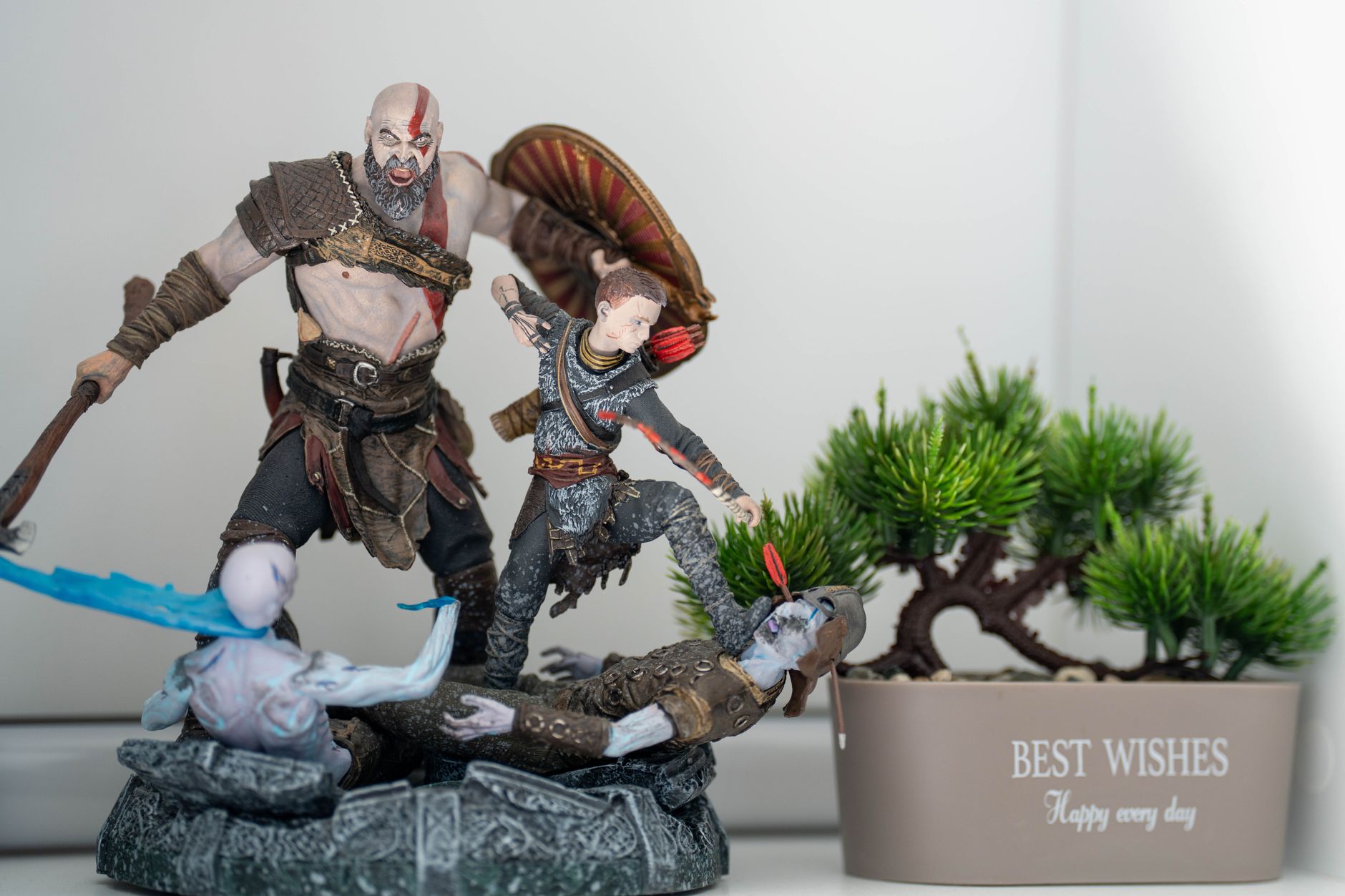
Kratos Returns: What the Next God of War Reveals About Redemption and Legacy
The halls of Comic-Con 2026 buzzed with the usual mix of cosplay, panel discussions, and surprise announcements, but one moment stood out above the rest. During a packed Santa Monica Studio presentation, creative director Cory Barlog stepped onto the stage with a quiet confidence that immediately hushed the crowd. He wasn’t there to talk about past achievements or reminisce over a decade of Norse mythology. Instead, he confirmed what many fans had hoped for but few expected so soon: a new God of War game is officially in development, and Kratos is returning as the central figure.
What made the announcement particularly intriguing was how Barlog framed it. This isn’t just another sequel chasing bigger battles or flashier abilities. He emphasized that the upcoming title will pick up directly where God of War: Ragnarök left off — not in terms of timeline, but in emotional consequence. More specifically, he said the story will connect deeply to Laufey’s journey, the frost giantess whose fate has lingered in the shadows since her introduction. For those who played the last game, her presence was felt more through implication than direct interaction, making this narrative pivot both bold and deeply personal.
Building on a Legacy of Quiet Moments
One of the defining strengths of the recent God of War entries has been their willingness to slow down. Amidst the brutal combat and mythic scale, the series found its soul in the quiet exchanges between Kratos and Atreus — a father learning how to be present, a son discovering his own identity. Barlog hinted that this new chapter will continue that tradition, but with a shift in focus. Rather than following a young boy’s coming-of-age, the story may explore what happens when a god confronts the remnants of his past actions through the lens of someone he barely knew.
Laufey, though never a central character in the games, represents a critical thread in Kratos’ broader mythos. Her connection to the Jötunn lineage, her role in the larger cosmic balance, and her ultimate fate all tie into themes the series has grappled with: legacy, responsibility, and the weight of inevitability. By anchoring the new narrative to her story, Barlog suggests the game won’t just expand the world — it will revisit it with fresh eyes, asking what forgiveness looks like when the people you’ve harmed are no longer there to grant it.
This approach feels less like a cash-in on nostalgia and more like a natural evolution. The studio has consistently avoided repeating formulas, choosing instead to let each installment reflect where the creators are emotionally and philosophically. If the last game was about preparing a child for a world without you, this one might be about facing the world you helped break — and whether redemption is possible when the damage is already done.
Gameplay Rooted in Emotion, Not Just Power
While details about mechanics remain scarce, Barlog was careful to clarify that innovation won’t come at the expense of what makes God of War feel distinct. The over-the-shoulder camera, the weighty combat, the tactile feel of the Leviathan Axe — these aren’t just stylistic choices. They’re extensions of the narrative. Every swing, every block, every moment of silence between fights serves the story.
That said, he did acknowledge that the team is experimenting with new ways to integrate character-driven moments into gameplay. Imagine, for instance, a sequence where Kratos must navigate a frozen ruin not by brute strength, but by interpreting Laufey’s old markings — a blend of environmental puzzle-solving and narrative discovery. Or combat encounters that shift based on your emotional state, reflected not through a visible meter but through subtle changes in enemy behavior or Kratos’ own reactions.
It’s too early to say how these ideas will manifest, but the intent is clear: the gameplay should feel like an extension of Kratos’ internal journey. No flashy skill trees just for the sake of progression. No open-world distractions that pull you away from the core theme. Instead, every system should ask the player to consider not just how to fight, but why they’re fighting at all.
A Studio Unafraid of Silence
What’s perhaps most striking about Santa Monica Studio’s recent work is their comfort with ambiguity. They don’t feel the need to explain every motive, tie up every loose end, or deliver a tidy moral at the end of the cutscene. The last game ended with questions hanging in the air — about fate, about choice, about what it means to break a cycle. And rather than rushing to answer them, the studio seems intent on letting those questions breathe in the next installment.
Barlog’s tone during the announcement reflected that philosophy. He spoke sparingly, choosing his words like someone who knows the weight they carry. When he mentioned Laufey’s story, he didn’t summarize her arc or spoil her fate. He simply said, “Her journey matters. And now, it matters to him too.” That kind of restraint is rare in big-budget gaming, where trailers often reveal three acts worth of plot in ninety seconds. Here, the power of silence can be just as compelling as a roar.
It also raises interesting questions about how the game will be marketed. Will trailers lean into mystery, showing fragments of dialogue or half-seen visions? Will they avoid revealing major plot points to preserve the player’s firsthand experience? If so, it could signal a shift in how blockbuster titles approach pre-release communication — trusting the audience to sit with uncertainty rather than demanding immediate gratification.
Why This Matters Beyond the Franchise
God of War has long been more than just a flagship PlayStation title. It’s become a benchmark for how action games can carry emotional depth without sacrificing intensity. The last two entries proved that you can have a game that feels both epic and intimate, where a boy’s plea to “not be like you” lands harder than any boss fight.
By returning to Kratos — not as a weary veteran seeking peace, but as a figure still grappling with the consequences of his godhood — the series has a chance to explore something even rarer: what happens after the apology? After the tears? After you’ve tried to change, but the world still sees you as the monster you were?
That’s not just a compelling story for a video game. It’s a deeply human one. And in an industry often criticized for prioritizing spectacle over substance, a studio willing to sit with that complexity feels like a quiet act of resistance.
The road ahead is still long. No release window was given, and Barlog made it clear the team is in no rush. But if the past is any indication, this next God of War won’t just continue a story — it might just deepen the conversation about what games can be when they’re willing to listen as much as they entertain.