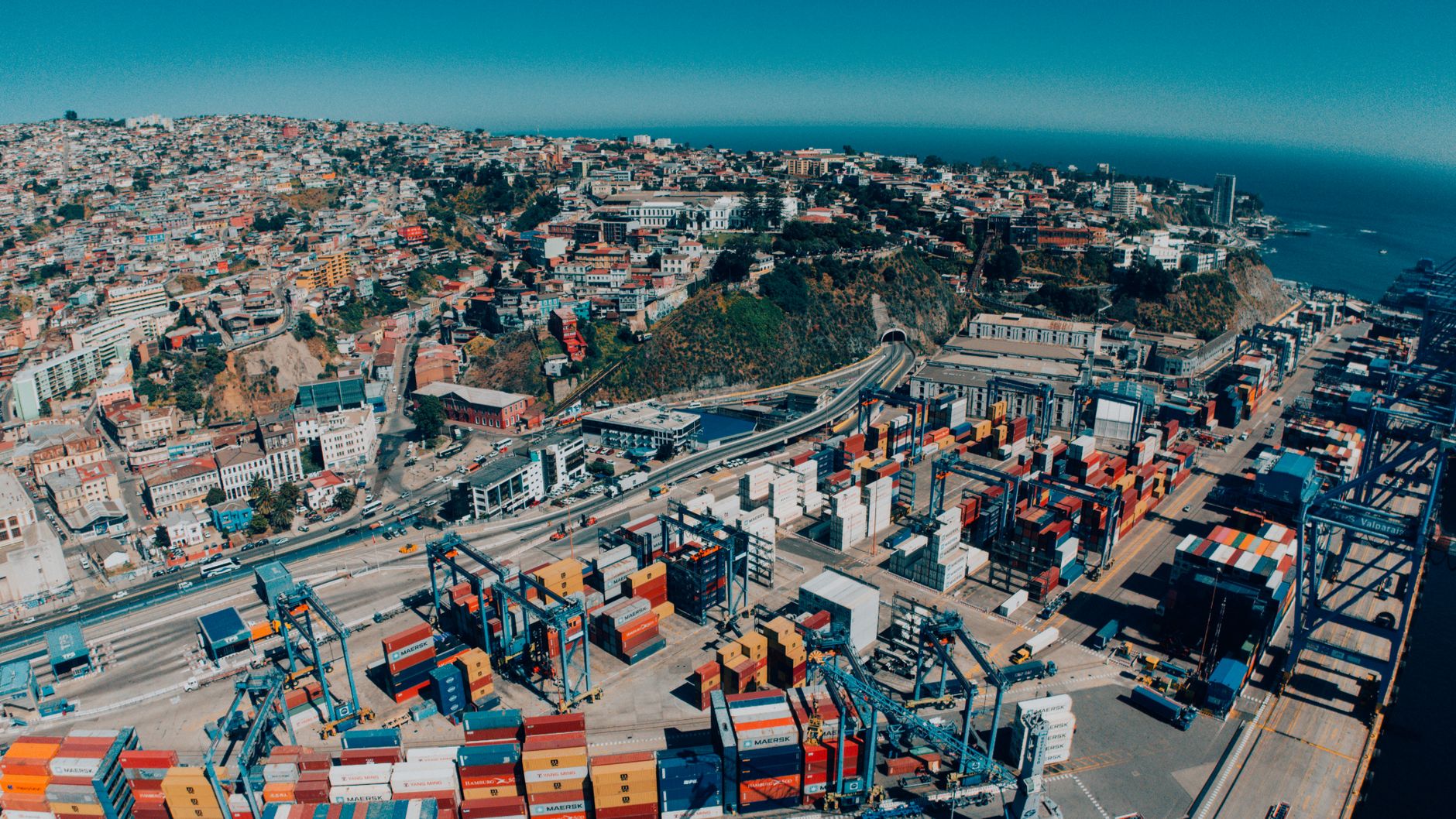
The Rise of E-Commerce in Latin America
Latin America’s e-commerce market is on track to hit $335 billion by 2030, according to a recent forecast from BNamericas. That figure represents a significant leap from current levels and underscores how rapidly digital shopping is reshaping consumer habits across the region. While the projection is impressive, it’s worth unpacking what’s really driving this growth and what challenges might lie ahead. The story isn’t just about big numbers — it’s about changing behaviors, infrastructure improvements, and the quiet revolution happening in homes from Mexico City to São Paulo.
Mobile Access Is Unlocking New Markets
One of the clearest catalysts behind the surge is the expansion of internet access and smartphone adoption. In countries where broadband was once a luxury, mobile connectivity has become nearly ubiquitous. This shift has allowed millions of people who previously relied on informal markets or cash-only transactions to browse, compare, and buy goods online. Younger consumers, in particular, are leading the charge — comfortable with apps, digital wallets, and same-day delivery expectations. Retailers have responded by investing heavily in user-friendly platforms and localized experiences that speak directly to regional tastes and payment preferences.
Logistics Evolution: From Bottleneck to Competitive Edge
Logistics, long considered a weak link in Latin America’s e-commerce chain, is also improving. Last-mile delivery remains a challenge in sprawling urban centers and remote rural areas, but companies are experimenting with innovative solutions. Some are partnering with local couriers who know the neighborhoods better than any national carrier. Others are using micro-fulfillment centers tucked into dense city blocks to cut delivery times. Walmex, for example, reported strong e-commerce gains in its latest quarter despite broader margin pressures, showing that even traditional retailers can adapt when they focus on digital integration. Their success suggests that omnichannel strategies — blending physical stores with online ordering — are gaining traction, especially in markets where consumers still value the option to pick up or return items in person.
Payment Innovation Is Building Trust
Payment innovation is another quiet force behind the growth. Cash on delivery used to dominate because many consumers lacked access to credit cards or trusted banking systems. Now, digital wallets, instant payment systems like Pix in Brazil, and even cryptocurrency experiments are gaining ground. These tools reduce friction at checkout and help build trust, especially among first-time online shoppers. Fintech startups across the region are racing to offer secure, low-cost alternatives that work for both banked and unbanked populations. As these systems mature, they could unlock even more potential in underserved communities where e-commerce has historically lagged.
Regional Disparities and Cross-Border Challenges
Growth isn’t uniform. Brazil and Mexico continue to lead the regional market, together accounting for more than half of all e-commerce sales. But smaller economies like Chile, Colombia, and Peru are showing faster growth rates, driven by rising disposable incomes and proactive government digital initiatives. Still, disparities persist. In some areas, unreliable electricity, limited internet bandwidth, or complex tax regulations can slow adoption. Cross-border e-commerce also faces hurdles due to varying customs rules and inconsistent consumer protection laws. For businesses looking to expand, understanding these local nuances isn’t just helpful — it’s essential.
A Sustainable Future for Digital Commerce
Looking ahead, the real test will be whether this momentum can be sustained without sacrificing profitability or inclusivity. The $335 billion projection assumes continued investment in technology, logistics, and consumer education. It also assumes that macroeconomic stability holds — something that’s never guaranteed in a region prone to currency fluctuations and political shifts. Yet if current trends continue, Latin America’s e-commerce landscape could look radically different in just a few years. Not just bigger, but more integrated, more innovative, and more reflective of the diverse ways people live, work, and shop across the continent.