How a Scottish Journey Revealed My Daughter's Quiet Growth
I took my teen on a group tour in Scotland. I worried she'd be out of place, but she proved how grown-up she is.
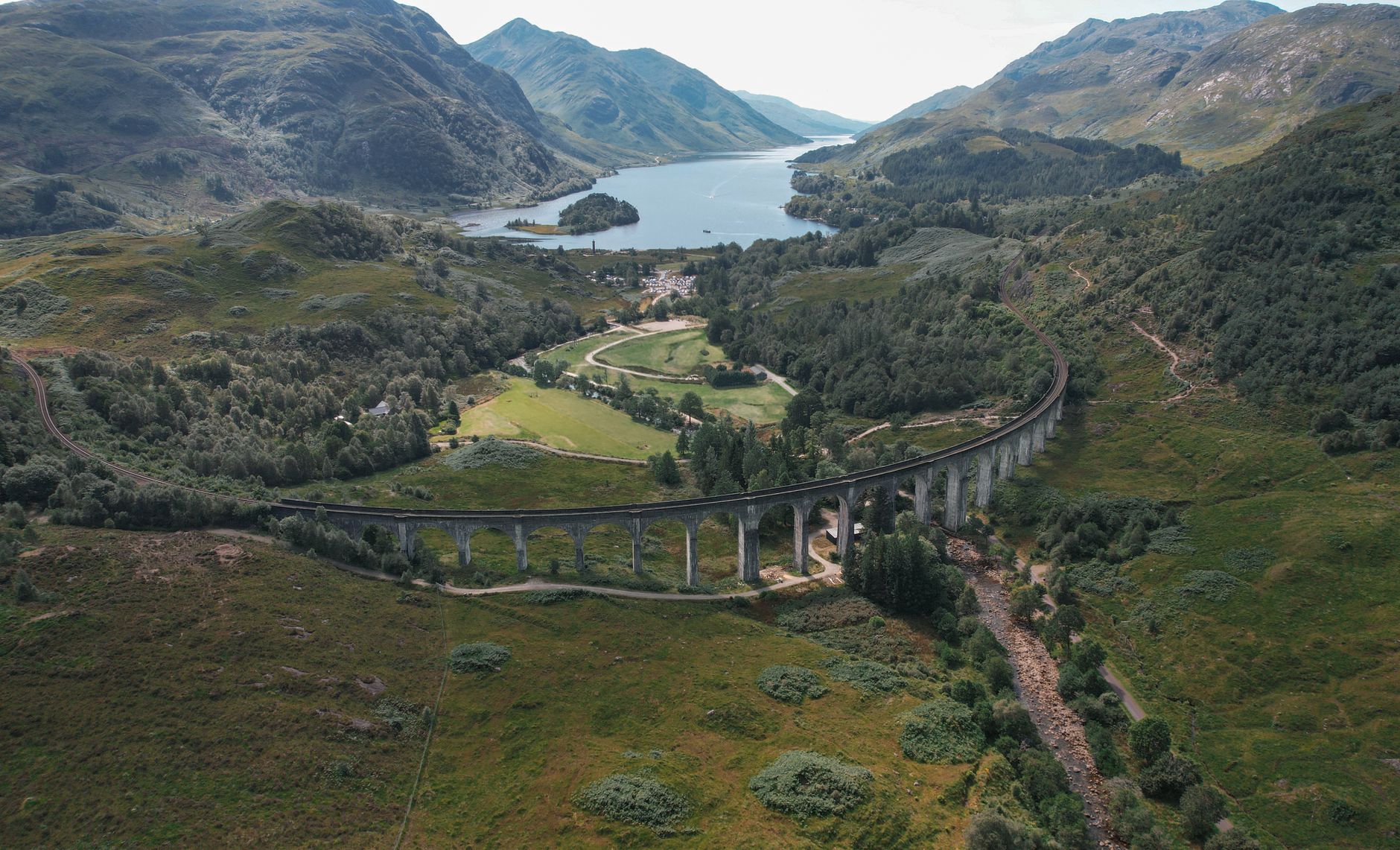
The idea of dragging a teenager across the Atlantic for a guided tour through the Highlands felt like a gamble. Would she roll her eyes at ancient castles? Zone out during lectures on clan history? Spend the whole trip glued to her phone, wishing she were anywhere else? As a parent, I braced for the worst. But what unfolded over those ten days in Scotland wasn’t just a vacation—it became a quiet revelation about who she’s becoming.
Finding Her Rhythm in a Group of Strangers
The first morning on the Isle of Skye, I watched her hesitate at the breakfast table. Surrounded by mostly retired couples and a few families with younger kids, she looked like she didn’t quite belong. I braced for silence, for one-word answers, for the usual teenage withdrawal in unfamiliar settings. Instead, she leaned in when the guide started talking about the geology behind the jagged rock formations. When another traveler mentioned they’d hiked the Quiraing the day before, she didn’t just nod—she asked for tips on the best photo spots and whether the fog usually lifted by midday.
It wasn’t that she suddenly became extroverted. But she stopped waiting to be included and started engaging on her own terms. She shared snacks with the woman sitting across from her. She laughed at a joke the guide made about Scottish weather. By lunchtime, she was walking beside someone she’d just met, comparing notes on which lochs looked most like something out of a fantasy novel. The shift wasn’t loud or dramatic—it was in the small choices she made to show up, to be curious, to connect.
History Came Alive When She Stopped Seeing It as Homework
I’ll admit, I feared the historical bits would feel like school. Battles, dates, treaties—none of it usually sparks joy for a 16-year-old scrolling through TikTok. But something shifted when we stood amid the ruins of Urquhart Castle, overlooking Loch Ness. The guide didn’t just recite facts; he painted a picture—of smugglers slipping through the shadows, of families living in the shadow of clan feuds, of how the landscape itself shaped centuries of survival. My daughter didn’t take notes. She didn’t need to. She stood there, quiet, tracing the edge of a crumbling stone wall with her fingertips, trying to imagine what it felt like to live there.
Later, at Culloden Battlefield, she walked the marked paths slowly, reading the plaques not because she had to, but because she wanted to understand. She asked why the battlefield felt so solemn, even though no one was crying or putting flowers down. That question led to a conversation about memory, about how places hold grief long after the events that caused it. It wasn’t a lesson I taught her. It was one she walked into on her own.
She Took Charge Without Being Asked
Midway through the trip, our train from Edinburgh to Fort William was delayed due to a signal failure. The group murmured, some checked watches anxiously, others resigned themselves to missing the evening’s planned stop. I started mentally rearranging the day, worried about domino effects. Then my daughter pulled out the timetable app, compared alternatives, and quietly suggested we could catch a later connecting bus if we moved quickly. She didn’t wait for approval. She just acted.
When we missed the bus anyway, she didn’t panic. She found the station attendant, figured out the next option, and helped an older traveler who was struggling with heavy luggage. I realized then that she wasn’t just tolerating the trip—she was navigating it. Not perfectly, not without hesitation, but with a growing sense of agency. She was making decisions, helping others, adapting when plans fell apart. Those are the moments that don’t show up in photos but leave a lasting imprint.
Quiet Confidence, Not Performance
She didn’t suddenly become the life of the party or start leading group discussions. Her growth wasn’t about performance. It showed up in quieter ways: choosing to journal in the evenings instead of scrolling, asking thoughtful questions during free time, noticing when someone looked tired and offering to grab them a drink. She didn’t need applause for it. She just did it because it felt right.
One rainy afternoon in Glencoe, we sheltered in a small café while waiting for a break in the weather. She struck up a conversation with the owner about traditional baking methods, then came back to our table with two scones and a story about how her grandmother used to make bannocks over an open fire. That moment stayed with me—not because it was extraordinary, but because it was ordinary in the best way. She was present. She was attentive. She was learning how to move through the world with kindness and curiosity, even when no one was watching.
Letting Go of the Worry
I went into this trip worried she’d feel like a fish out of water. I imagined her counting the minutes until we could go home, disconnected and disinterested. What I got instead was a glimpse of the person she’s becoming—not the finished product, but someone actively shaping who she wants to be. She didn’t need me to pave the way or smooth every bump. She just needed the space to try.
Travel, especially in a group setting where you can’t control the pace or the company, has a way of revealing character. It strips away the scripts we follow at home and asks: How do you handle uncertainty? How do you treat strangers? What do you do when you’re not being watched?
On those misty Scottish hills, amid ancient stones and sudden downpours, she answered those questions in her own quiet way. And in doing so, she reminded me that growing up isn’t always loud. Sometimes, it’s just a teenager choosing to lean in, to ask a question, to help carry a bag—proving, without fanfare, that she’s ready for more than we thought.