From Hawaii to Japan: How One Couple Found Affordable Homeownership in Rural Japan
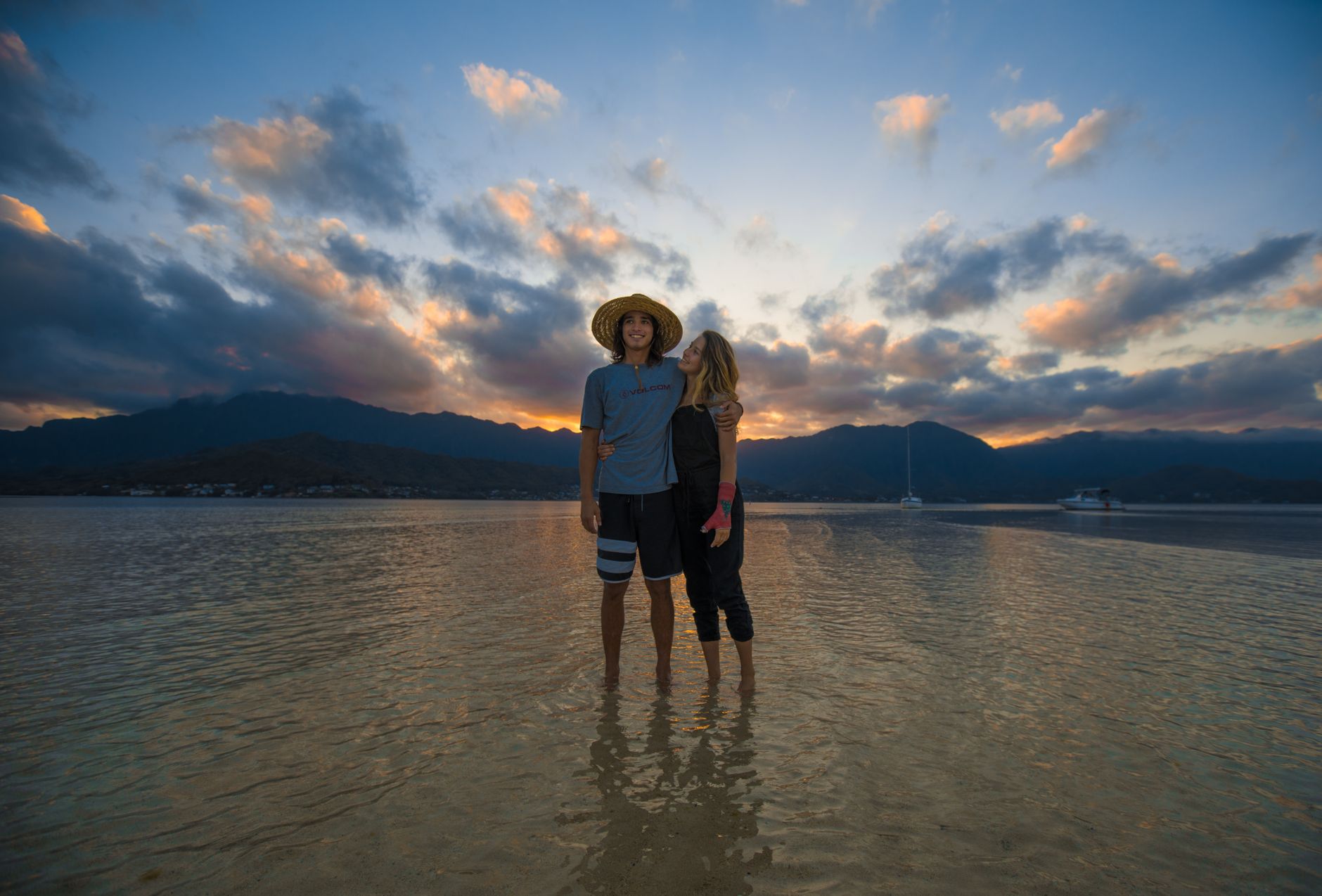
When Jeff Layfield examined the housing market in Hawaii, the numbers didn’t add up. Years of saving felt pointless when even modest homes near the coast carried price tags that seemed designed to keep locals out. He and his partner had built their lives on the islands, but the dream of owning a place with ocean views kept slipping further away. Frustrated but determined, they started looking beyond the familiar. That search led them thousands of miles across the Pacific to a quiet village in rural Japan, where they purchased a vacant traditional home for roughly $25,000.
The decision wasn’t made lightly. Moving to another country meant leaving behind friends, routines, and the comfort of knowing how everything worked. But the financial reality in Hawaii had become impossible to ignore. Median home prices there have consistently ranked among the highest in the United States, driven by limited land, high demand from both residents and investors, and strict zoning laws that restrict new construction. For many locals, especially those in service or creative industries, buying property feels like a fantasy. Rent consumes a large portion of income, and saving for a down payment can take decades—if it happens at all.
Japan’s rural housing market presents a stark contrast. Decades of urban migration have left many countryside towns with aging populations and an increasing number of abandoned homes, known locally as akiya. These properties often sit empty because heirs move to cities for work and have no intention of returning. Local governments, eager to revitalize dying communities, sometimes offer these homes at deeply discounted prices—or even give them away—to attract new residents. In some cases, buyers can acquire a house for little more than the cost of repairs, especially if they’re willing to take on a fixer-upper.
Jeff and his partner found their home through one of these revitalization programs. The property was a traditional wooden kominka, built decades ago and in need of significant work. Roof tiles needed replacing, floors had to be leveled, and the plumbing required updates. But the structure was sound, and the surrounding landscape offered something Hawaii could no longer provide them: affordability paired with space and peace. They could finally imagine a life where owning a home didn’t mean sacrificing everything else.
Renovating an old Japanese house comes with its own set of challenges. Building materials and techniques differ from what’s common in the U.S., and finding contractors who understand both the old methods and modern safety standards can take time. Jeff learned to navigate local permitting processes, sourced reclaimed wood where possible, and worked closely with neighbors who offered advice and occasional help. Language barriers existed, but he found that showing up consistently, respecting local customs, and making an effort to communicate went a long way. Over time, the villagers began to see them not as outsiders, but as people trying to contribute to the community.
Financially, the math worked in a way it never had back home. Even after factoring in renovation costs, their total investment remained far below what a down payment alone would have been in Hawaii. Monthly expenses dropped significantly, too. Property taxes are low in rural Japan, and utility bills—while not negligible—are manageable, especially with energy-efficient upgrades. They now live mortgage-free, a reality that feels almost surreal after years of feeling priced out of their own hometown.
The lifestyle shift has been profound. Instead of rushing between shifts to cover high living costs, they have more time to tend to a garden, explore nearby forests, and participate in village festivals. Jeff took up woodworking, using scrap materials from the renovation to build furniture. His partner started teaching English online to students in Asia, a job that fits well with the slower pace of rural life. They still miss certain aspects of Hawaii—the food, the ocean, the sense of familiarity—but they’ve found a different kind of richness in their new surroundings.
Their story reflects a broader trend. As housing costs soar in desirable urban and coastal areas around the world, more people are reconsidering what “home” means. Some are moving to smaller cities within their own countries. Others, like Jeff and his partner, are looking internationally—not for adventure alone, but for sustainability. The rise of remote work has made such moves more feasible than ever, allowing people to earn incomes tied to stronger economies while living where their money goes further.
It’s not a solution for everyone. Language, cultural differences, and distance from family are real obstacles. Healthcare access, visa requirements, and the long-term viability of depopulating towns all need careful consideration. But for those willing to adapt, the trade-offs can lead to a life that feels more balanced, less strained by constant financial pressure.
Jeff doesn’t frame their move as an escape. He sees it as a recalibration—a choice to prioritize stability and peace over proximity to a place that, despite its beauty, no longer offered a realistic path forward. In a quiet Japanese village, surrounded by rice fields and mountains, they’ve built something they couldn’t afford back home: a sense of belonging, and a roof over their heads that truly feels like theirs.