11 Bathroom Clutter Items Designers Say to Remove for a Calmer Space
If you’ve ever walked into a bathroom and felt instantly calmer, it’s probably not just the clean tiles or fluffy towels doing the work. Often, it’s what’s missing that makes the difference. Interior designers spend their days refining spaces to feel both functional and serene, and bathrooms are one of the trickiest rooms to get right. They’re small, high-use, and prone to collecting clutter that sneaks in over time. The good news? A few intentional removals can transform your bathroom from chaotic to calm.
Here are eleven things designers frequently recommend saying goodbye to — not because they’re inherently bad, but because they often work against the quiet, restorative vibe most of us want in this personal space.
Counter Clutter Is the Silent Stress Amplifier
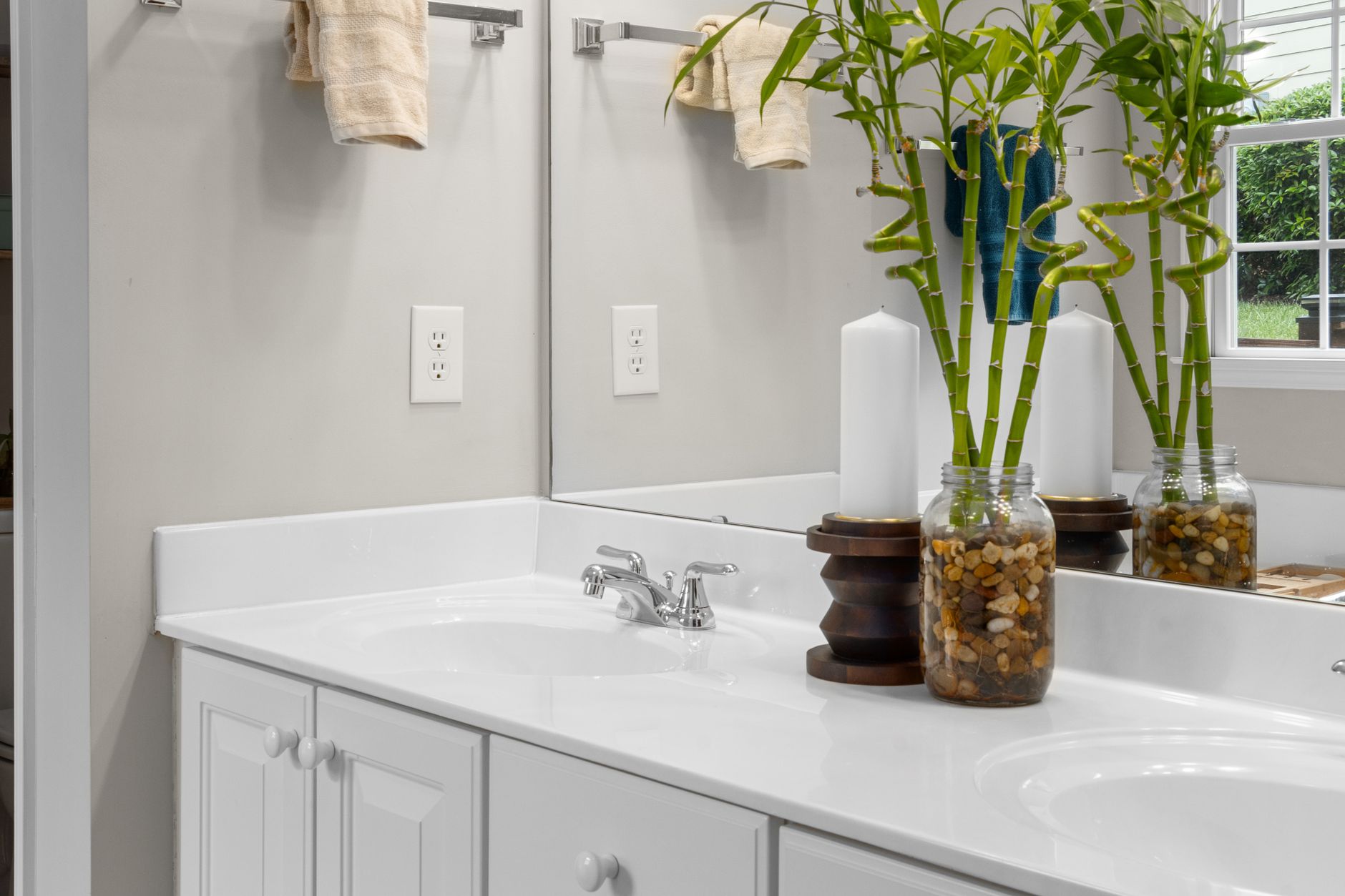
That row of half-used lotions, stray toothbrush holders, and random jewelry dishes might seem harmless, but they create visual noise. Designers consistently point to bathroom counters as prime real estate for minimalism. When every inch is covered, even a clean space can feel busy and overwhelming. The fix isn’t necessarily buying more storage — it’s editing what deserves to stay out. Keep only the essentials you use daily: maybe a hand soap, a moisturizer, and that one serum you actually apply every morning. Everything else? Tuck it into drawers, cabinets, or a stylish tray tucked under the sink. You’ll be amazed at how much lighter the room feels when the counter can breathe.
Say Goodbye to Bar Soap (Unless It’s Really Special)
Bar soap isn’t dirty or outdated by any means, but in a designer’s ideal bathroom, it often doesn’t make the cut. Why? Wet bars leave residue, attract grime, and can look grimy fast — especially in shared bathrooms or humid climates. They also tend to sit in slimy dishes that need constant scrubbing. If you love the ritual of bar soap, consider switching to a sleek dispenser with liquid soap or a beautifully crafted bar that lives on a draining tray and gets wiped down regularly. The goal isn’t to judge your preference — it’s to reduce maintenance and keep surfaces looking intentional. A clean, dry counter speaks louder than any scent.
Ditch the Air Fresheners That Mask Rather Than Solve
Those plug-in gels, sprays, and scented oils might promise a spa-like experience, but designers often see them as band-aids covering up real issues. If your bathroom smells stale, the solution isn’t more fragrance — it’s better ventilation, regular cleaning, or addressing moisture buildup. Artificial scents can also clash with cleaning products or personal care items, creating an odd olfactory cocktail. Instead of masking odors, focus on airflow: crack a window after showers, run the fan longer, or invest in a quiet, efficient model. A truly fresh bathroom doesn’t need to smell like vanilla or ocean breeze — it just needs to smell like nothing at all.
Remove Excess Rugs and Mats (Especially the Fuzzy Ones)
Bath mats serve a purpose — keeping floors dry and feet warm — but too many, or the wrong kind, can backfire. Thick, plush rugs trap moisture, harbor mildew, and require frequent washing. In small bathrooms, they can also make the space feel cramped. Designers often recommend one well-placed, quick-drying mat outside the shower or tub, preferably in a neutral tone or subtle texture that complements the floor. If you love warmth underfoot, consider heated flooring or a thin, antimicrobial mat that lifts easily for cleaning. Less fabric means less upkeep and a cleaner, more streamlined look.
Get Rid of Old, Mismatched Towels
That stack of towels you’ve had since college? The ones with frayed edges, faded colors, or weird stains? They’re not doing your bathroom any favors. Designers suggest editing your towel collection down to a cohesive set — maybe two tones that work with your space, in a quality fabric that feels good and lasts. Store extras in a closet or linen cabinet, and rotate what’s on display. A tidy stack of matching towels on an open shelf or folded neatly on a rack adds a touch of hotel-like calm. Bonus: when your towels look intentional, you’re more likely to keep them that way.
Toss Expired or Unused Products
We’ve all been guilty of hoarding that sample-sized serum from a trip years ago or the acne treatment that didn’t work but “might come in handy.” Bathroom cabinets and drawers often become graveyards for forgotten potions. Designers urge a seasonal purge: check expiration dates, toss anything separated or smelling off, and be honest about what you’ll actually use. If you haven’t touched it in six months, it’s probably safe to let go. Not only does this free up space, but it also reduces the chance of using ineffective or irritating products on your skin. A leaner collection means easier access to what you truly need.
Remove the Toilet Lid Cover (If You Still Have One)
Once a staple in many bathrooms, the fabric toilet lid cover has largely fallen out of favor with designers — and for good reason. They trap dust, bacteria, and odors, and require frequent washing to stay hygienic. In a space where cleanliness is paramount, adding a porous, hard-to-clean layer seems counterproductive. Modern toilets are designed to be sleek and easy to wipe down. Letting the lid and tank show their clean lines contributes to a more hygienic, minimalist aesthetic. If you’re attached to the idea of softness, consider a padded toilet seat instead — one that’s designed for bathrooms and wipes clean easily.
Eliminate Unnecessary Knick-Knacks
That tiny ceramic elephant, the seashell from a vacation, the candle you never light — decorative objects have their place, but bathrooms aren’t always it. Humidity, splashes, steam can damage on delicate items. Designers often advise keeping decor to a minimum: maybe one piece of art that’s properly sealed or framed under glass, or a single plant that thrives in low light and moisture (like a pothos or snake plant). Every extra item adds to cleaning time and visual clutter. When in doubt, ask: does this serve a purpose, or just collect dust? If it’s the latter, it might be better suited to a shelf in the living room.
Get Rid of the Shower Curtain Do Its Job (Without the Liner Drama)
A mildewy, stained shower curtain liner is an instant eyesore — and a hygiene concern. Designers see this all the time: folks focus on the decorative curtain but neglect the clear liner behind it, which gets grimy fast. The solution? Choose a quality fabric curtain that resists water and mildew, and pair it with a simple, replaceable PEVA liner — or better yet, go liner-free if your curtain is designed to handle direct water exposure. Wash or replace the liner monthly, and give the curtain a good shake after each use to help it dry faster. A clean, dry shower enclosure makes the whole bathroom feel better cared for.
Ditch the Over-the-Toilet Tank Storage (If It’s Cluttered)
That shelf or cabinet bolted onto the back of the toilet? It’s convenient, sure — but it often becomes a catch-all for random rolls of toilet paper, extra toothpaste, and half-empty bottles. When overstuffed, it draws the eye upward and can make the ceiling feel lower. Designers suggest using this space sparingly: maybe just a neat stack of two or three rolls, or a single decorative box for backup supplies. Keep it tidy, or consider removing it entirely if you have better storage elsewhere. Sometimes, the most elegant solution is simply seeing the toilet and wall as they were meant to be — clean, unbroken, and quiet.
Remove Harsh, Overhead Lighting (And Replace It With Layers)
This one isn’t about removing a physical object so much as upgrading the quality of light. Harsh fluorescent or bare bulb lighting can make a bathroom feel clinical and uninviting. Designers almost always recommend layering light: a soft ambient source (like a recessed ceiling light or wall sconces), task lighting around the mirror (vertical fixtures on either side work best to avoid shadows), and maybe even a small accent light for nighttime use. Dimmers are a quiet game-changer — they let you shift from bright and functional to soft and relaxing with a twist. Good lighting doesn’t just help you see — it shapes how you feel in the space.
Final Thoughts
You don’t need to throw out everything at once. Start with one or two things that bother you most — maybe the counter clutter or the old air freshener — and see how the space feels afterward. Often, removing just a few items creates a ripple effect: you start noticing what else doesn’t belong, and the bathroom slowly becomes a place you actually enjoy being in. Design isn’t about perfection. It’s about creating a space that supports your routine, feels easy to maintain, and offers a moment of calm in the middle of a busy day. Sometimes, all it takes is letting go of what’s no longer serving you.